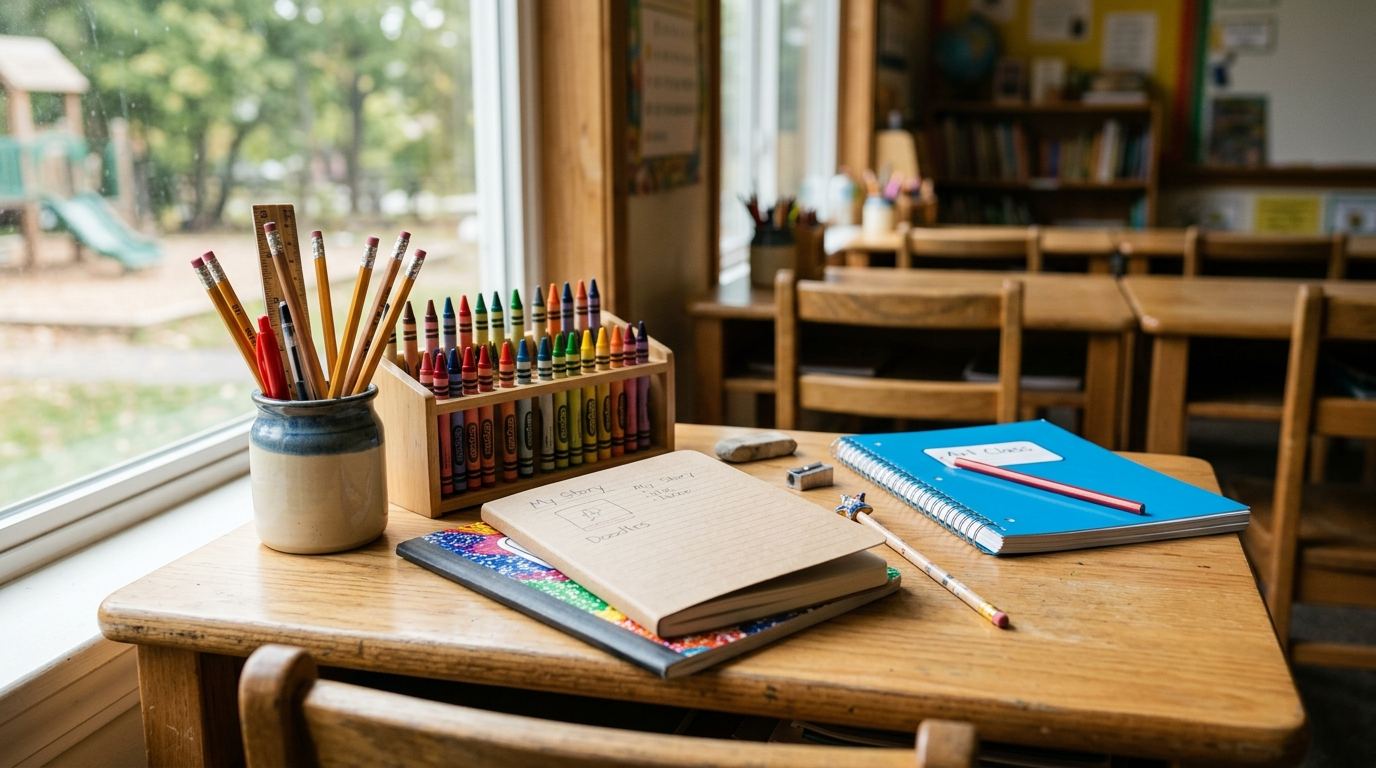
When the doors of Pine Hills Elementary swing open each August, Maria Delgado's third-grade classroom looks a little different from the others. On every desk sits a small paper bag — a sharpened pencil box, a fresh notebook, a glue stick, a pack of markers, and a handwritten note that reads, simply, "You belong here." None of it comes from a district budget or a fundraiser. It comes from Delgado's own paycheck, as it has for the past eight years.
"I do the math every summer," she says, laughing softly as she stacks composition books at her kitchen table. "And every summer I decide the answer is still yes." That answer costs her, by her own estimate, close to a thousand dollars a year — a significant sum for a public school teacher in a neighborhood where nearly nine in ten of her students qualify for free or reduced lunch.
A promise made on the first day
Delgado, 41, grew up not far from the school where she now teaches. She remembers the sting of showing up to class without the supplies on the list taped to the classroom door — the way the other kids seemed to know, the way a borrowed pencil never quite felt like her own. When she became a teacher, she made herself a quiet promise: no child in her room would ever feel that way.
"A kid can't learn if they're worried about what they don't have. Take that worry off the table, and suddenly they can just be eight years old." — Maria Delgado, third-grade teacher
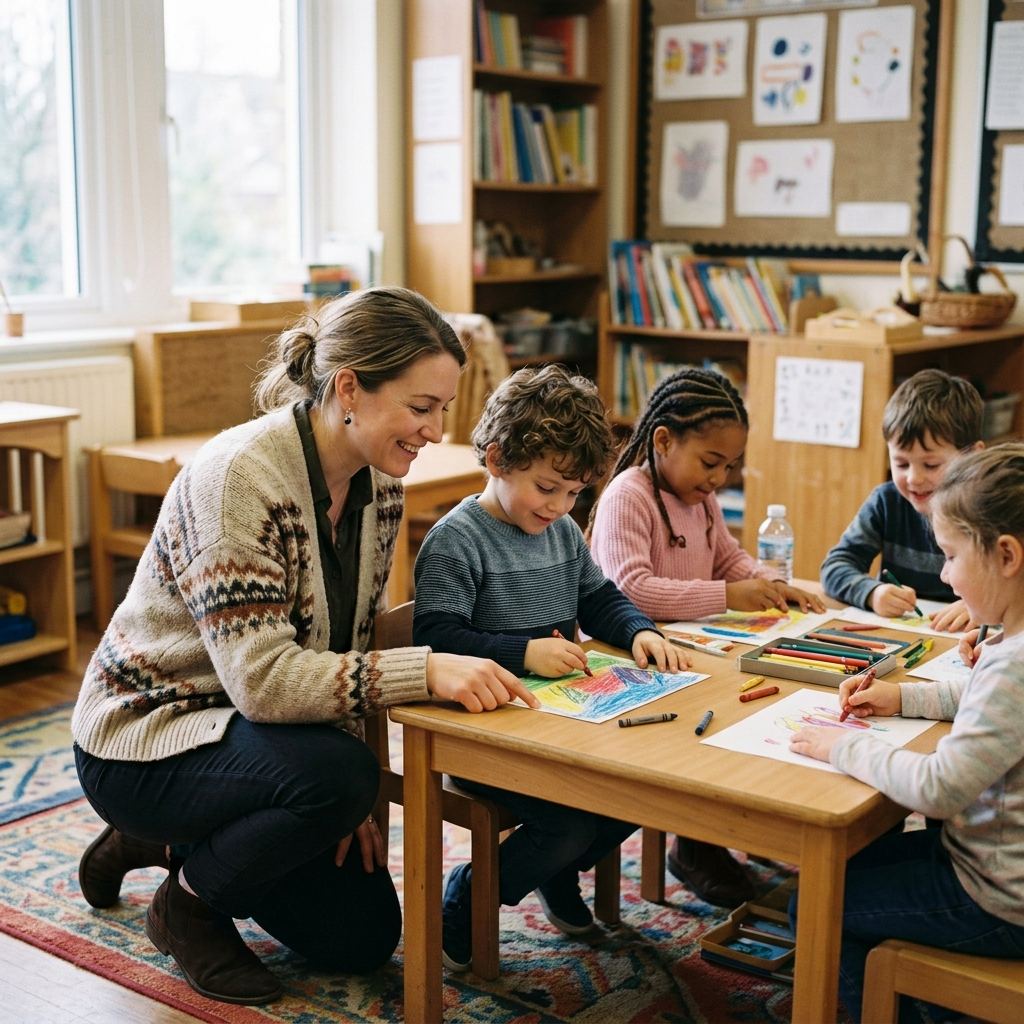
That philosophy shows up in more than supplies. Parents describe a teacher who keeps a spare coat in her closet for cold mornings, who quietly pays for field-trip tickets when a family can't, and who has been known to leave groceries on a doorstep without a word.
By the numbers
Delgado's generosity is part of a larger, national story. Surveys of American educators consistently find that teachers spend hundreds of dollars of their own money each year to equip their classrooms — often without reimbursement. In high-poverty schools, that figure climbs higher.
The ripple effect
Word of Delgado's ritual spread this summer after a former student — now in college — posted about it online. Within days, neighbors, alumni and total strangers had reached out. A local hardware store donated a pallet of backpacks. A retired couple mailed a check "for the notebooks." A parent-teacher group launched a supply drive in her name.
Delgado, characteristically, deflects the attention toward her students and colleagues. "There are teachers doing this in every school in this city," she insists. "I just happened to get caught." But she admits the outpouring has moved her. "I've spent eight years telling these kids that people show up for each other. It's nice," she says, pausing, "to have the proof."
As the first day of the new school year approaches, the paper bags are already lined up along her counter, notes tucked inside each one. Same message as always. You belong here.